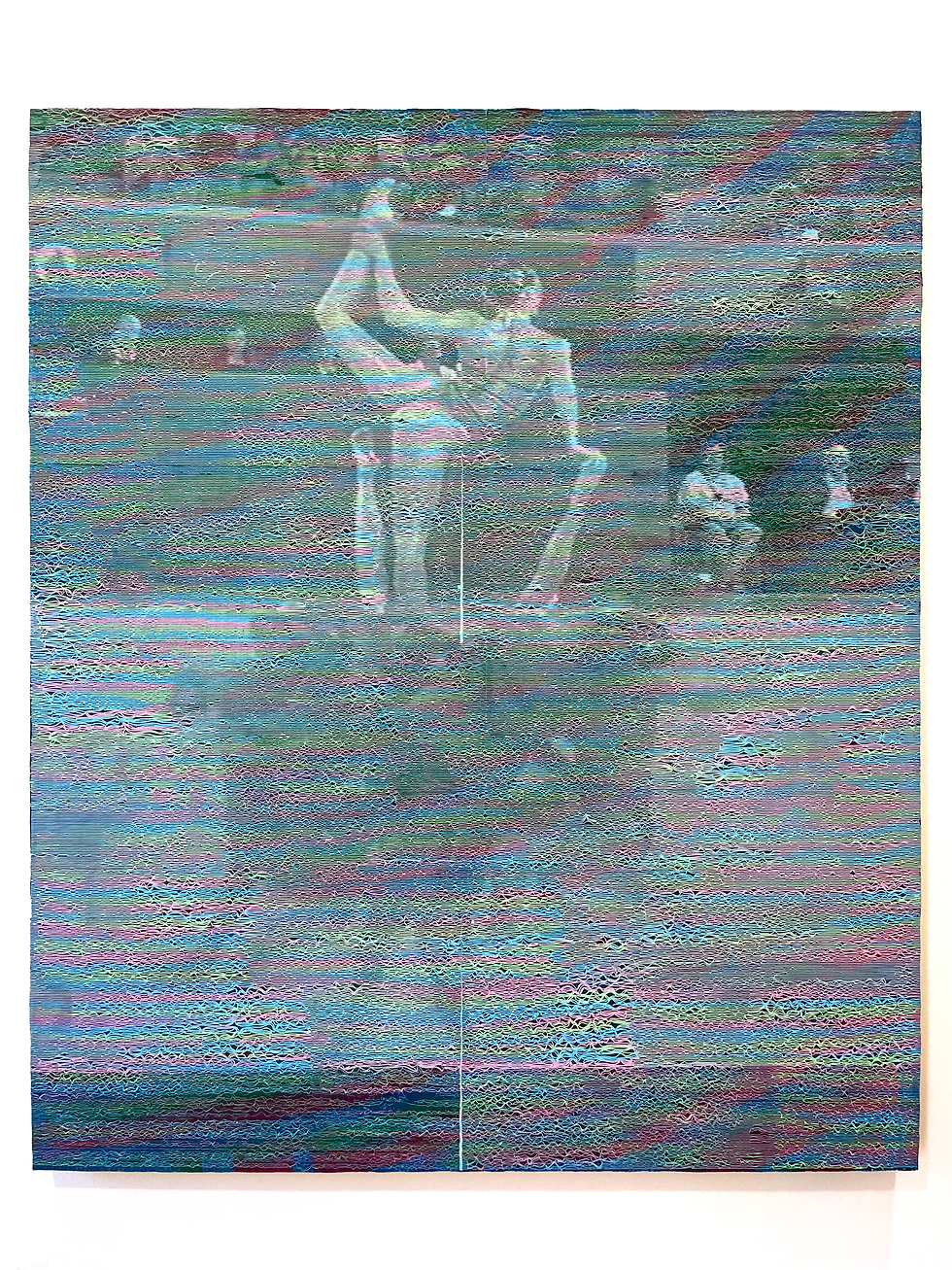


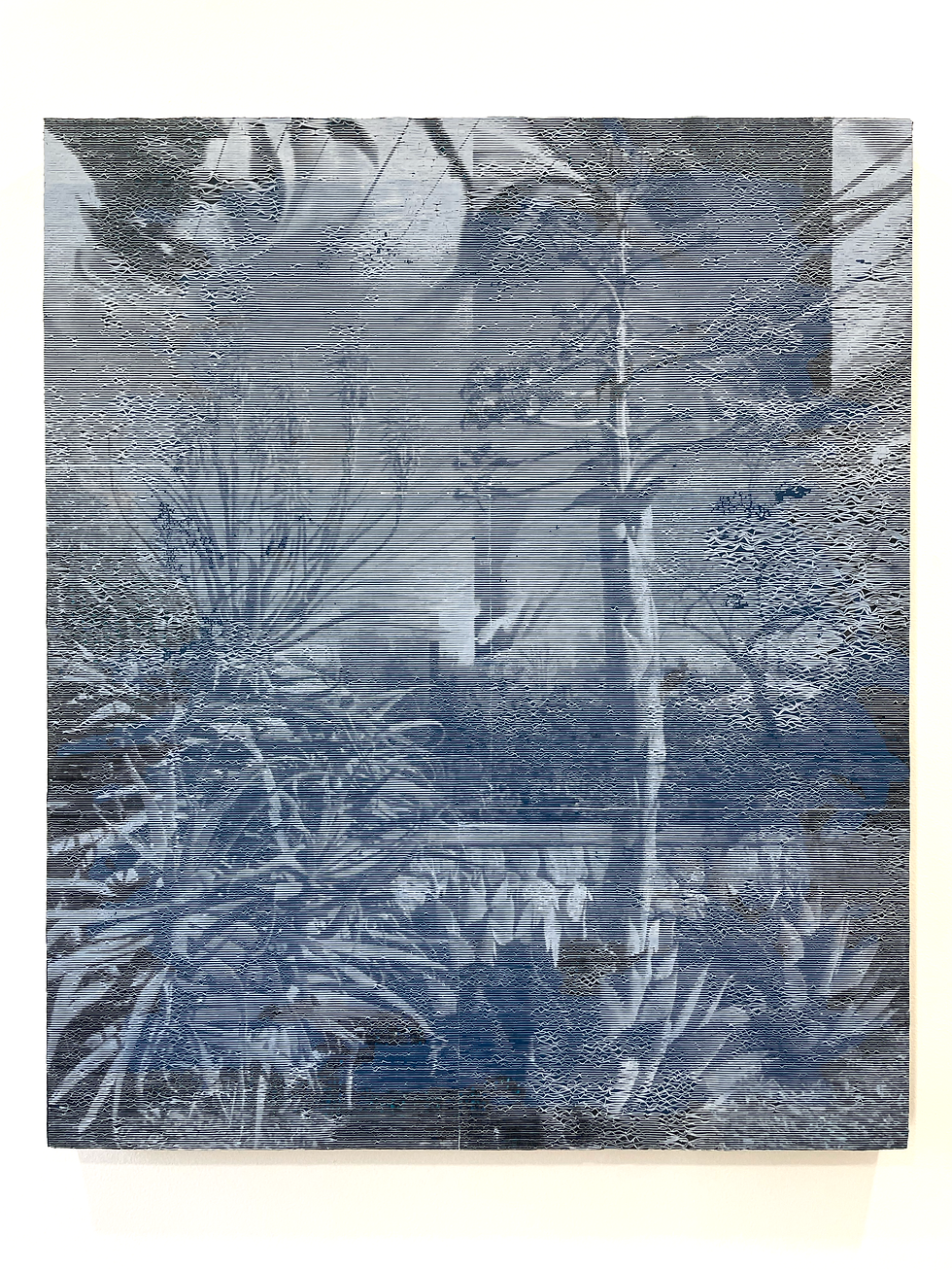


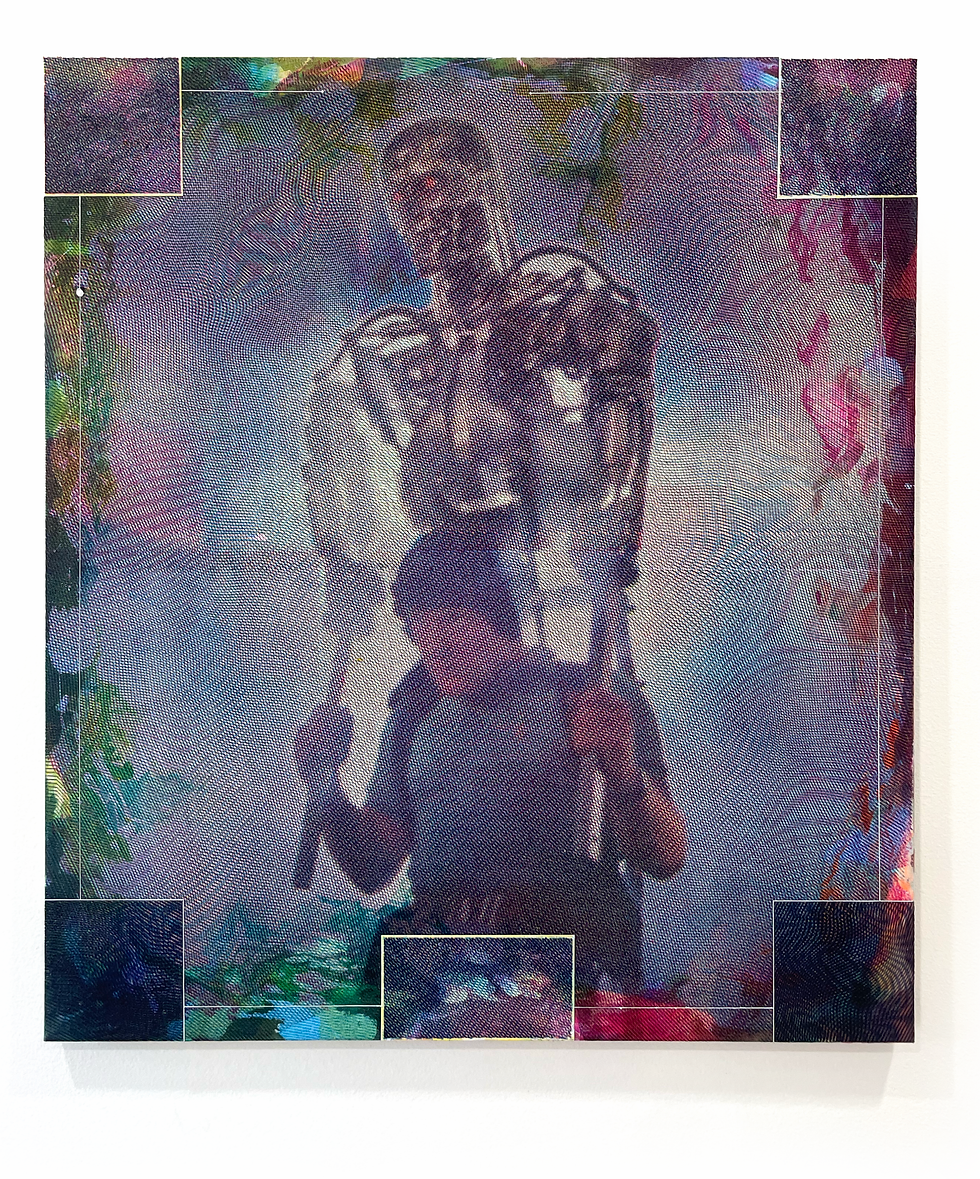
Susan Sontag states that the repertoire of famous images obscures, occludes, and hides as many issues as the ones it draws to our attention. Even so, the photographic image still, is believed to have an authoritative decisiveness regarding its depiction of reality as such. Photography is taken as a documentation of what is there, an index of objective truth. The area covered by the ostensibly empirical gaze of the electronic eye is larger than it ever has been, yet it feels as though an epistemological understanding of the world has diminished in inverse proportion. It’s as if the words, texts and concepts fail to keep pace with the profusion of images they seek to clarify. Images are captured from moments but inherently fleeting and illusory. They depict something that no longer exists. In this way they represent a void, a lack in our embodied experience of something that is fundamentally unprocurable even if it were accessible. This is part of the power of images and why throughout history they were regarded as having a type of magical quality to them. From certain cultural perspectives images go so far as being a profane imitation of divine reality that serves only to hide true nature and foster covetousness. Other traditions saw images not as static representations but active vectors of cooperative devotion. The seer of the image was also seen by virtue of having borne witness, and in so doing, fundamentally changing the experience of reality in the process. The almost magical hold that images have of our imagination is thoroughly employed through advertising, private archives, art, academic pursuits etc. in a never-ending pursuit to mediate the gulf between otherness and the locus of ourselves, always already mediated by the limited perspective of our sensory organs. To this end, utilizing apparatus to construct painted images references how photography encapsulates the objet petit.
This new series of paintings continues my interest in technical image production and the mysterious power they emit by processing and thinking through their production using various painting modalities. These works tease apart the mechanics of photography to assert the subjective experience of composing pictures on canvas with materials that are fluid and responsive to touch. In this way I aim to find my own way of understanding images and the world they purport to depict by reintroducing my humanity into the process of their production. The photographs come from a variety of sources, ones I have taken, advertising and journalistic platforms. In removing them from where they are found they become unmoored from their context and freed to produce new associations and significance. Mechanical reproduction serves not to in this case make dispersion of imagery more efficient but represents a way to differently consider the object, foregrounded by a perspective outside of my own. Rather than completely relinquish expressive traces of its making to the industrial universe that is required to animate these pictures, I seek to maintain a foothold in their creation.
